The Rise of Seamless Spaces: Why Architects are Choosing Micro-Concrete Flooring
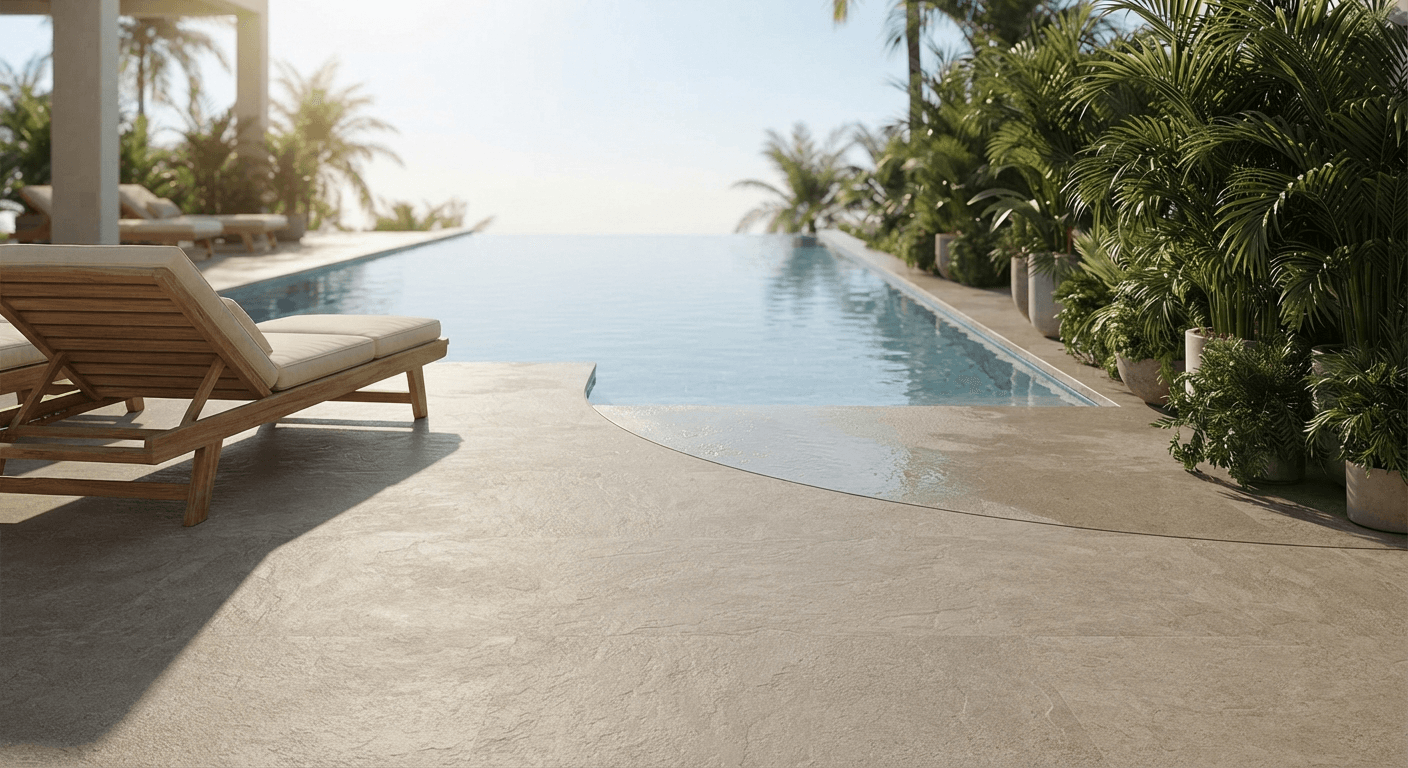
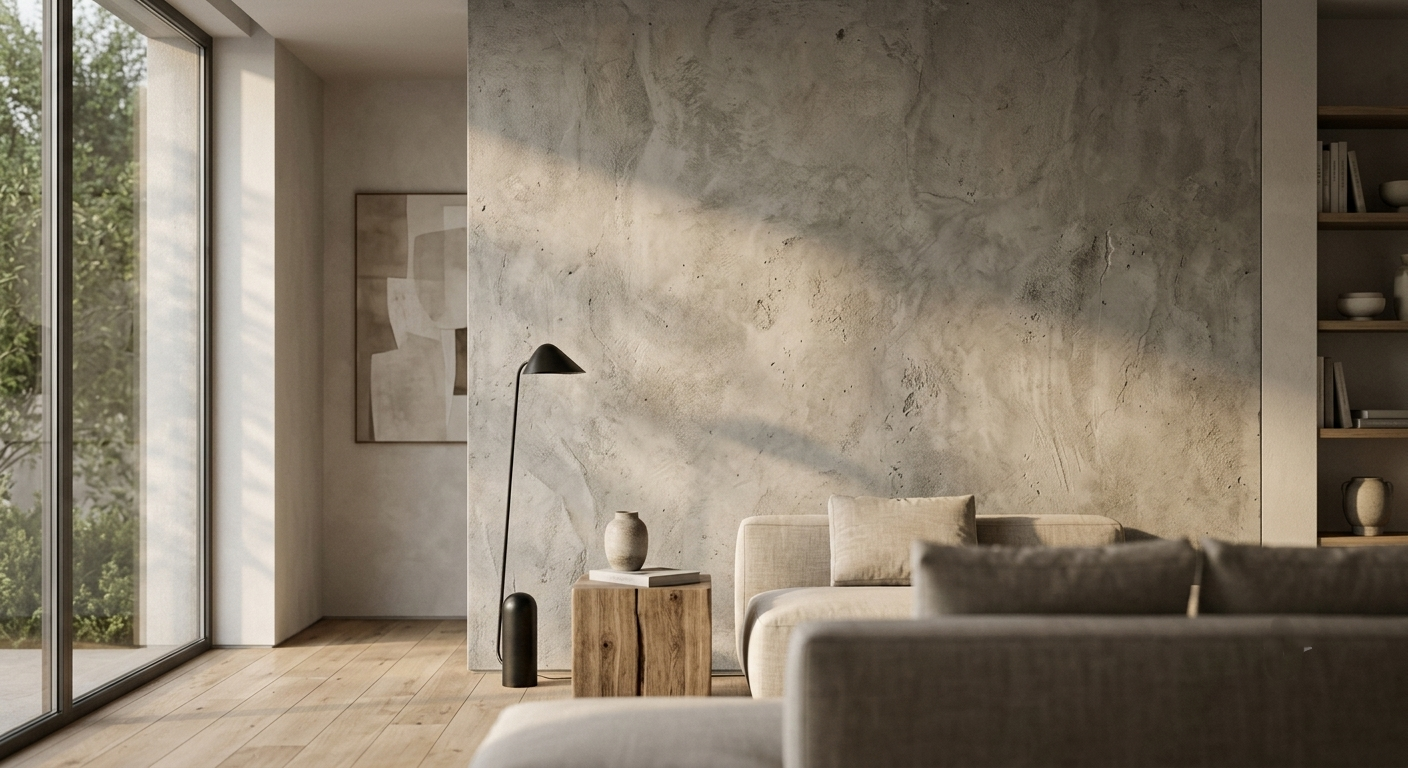
In the evolving landscape of contemporary architecture, a subtle yet profound shift is underway, favoring environments that flow with an unbroken visual narrative. This ascendance of the ‘seamless space’ is being masterfully facilitated by innovative material choices, and at the forefront of this movement is the growing embrace of micro-concrete flooring. More than just a surface, micro-concrete offers architects a canvas of unparalleled fluidity, a sophisticated medium that allows design intentions to unfold without the interruption of grout lines or harsh transitions.
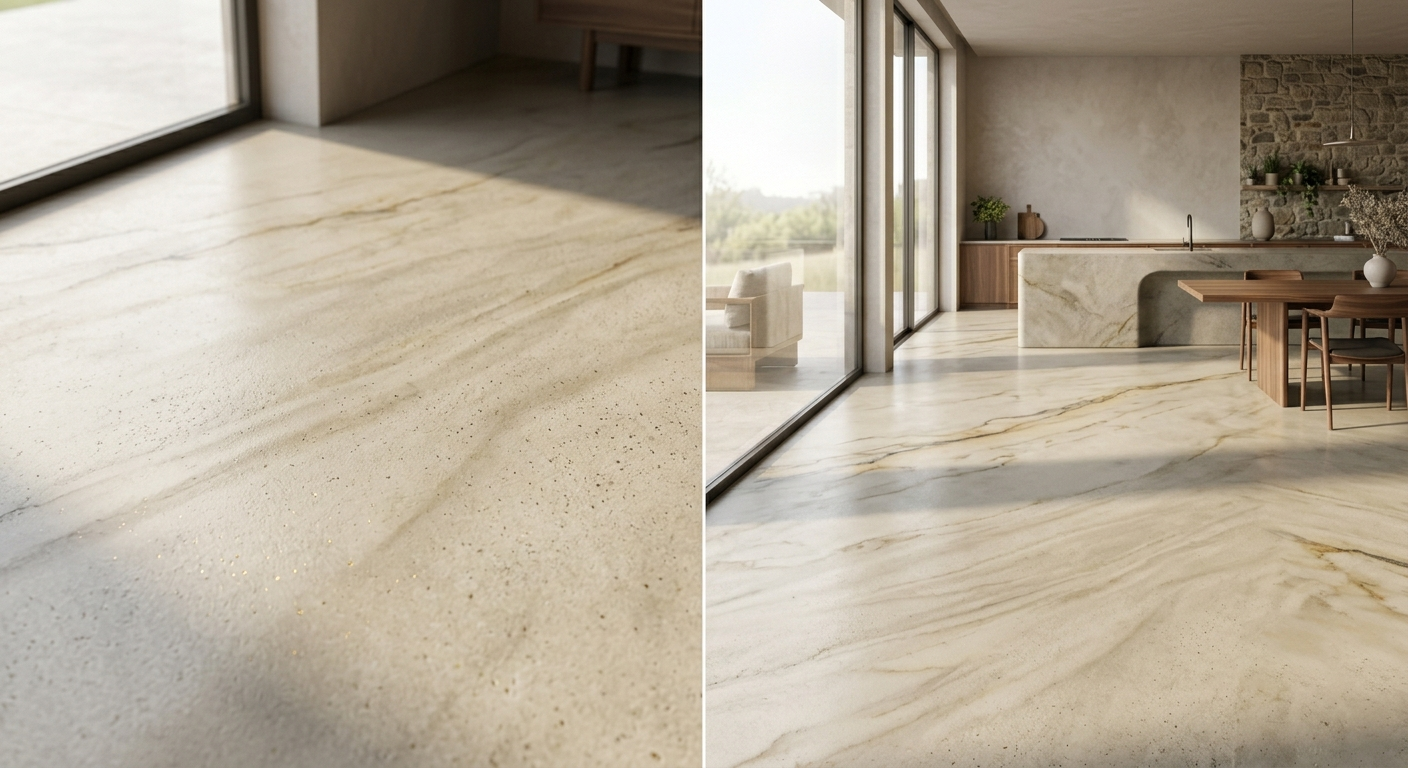
The allure of micro-concrete lies in its inherent ability to morph and adapt, providing a monolithic aesthetic that unifies entire living areas. Its artisanal application allows for a bespoke texture and finish, ranging from a polished, almost liquid sheen to a subtly matte, tactile surface, all while maintaining a remarkable level of durability. This versatility makes it an ideal choice for architects seeking to imbue spaces with a sense of calm, continuity, and understated luxury, where the floor becomes an integral, almost sculptural element of the overall design.
Beyond its visual poetry, the functional advantages of micro-concrete are equally compelling. Its seamless nature translates to exceptional ease of maintenance, eliminating the crevices that often trap dust and grime in traditional tiled or planked flooring. This inherent practicality, coupled with its ability to create an expansive, unified feel, solidifies its position as a premier choice for discerning designers. The rise of seamless spaces, championed by the elegant simplicity of micro-concrete flooring, is a testament to a design philosophy that prioritizes harmony, flow, and a refined, enduring beauty.