Living With Limewash: A Season-by-Season Care Guide for India’s Climate
- creton
- July 24, 2026
- 0 Comments
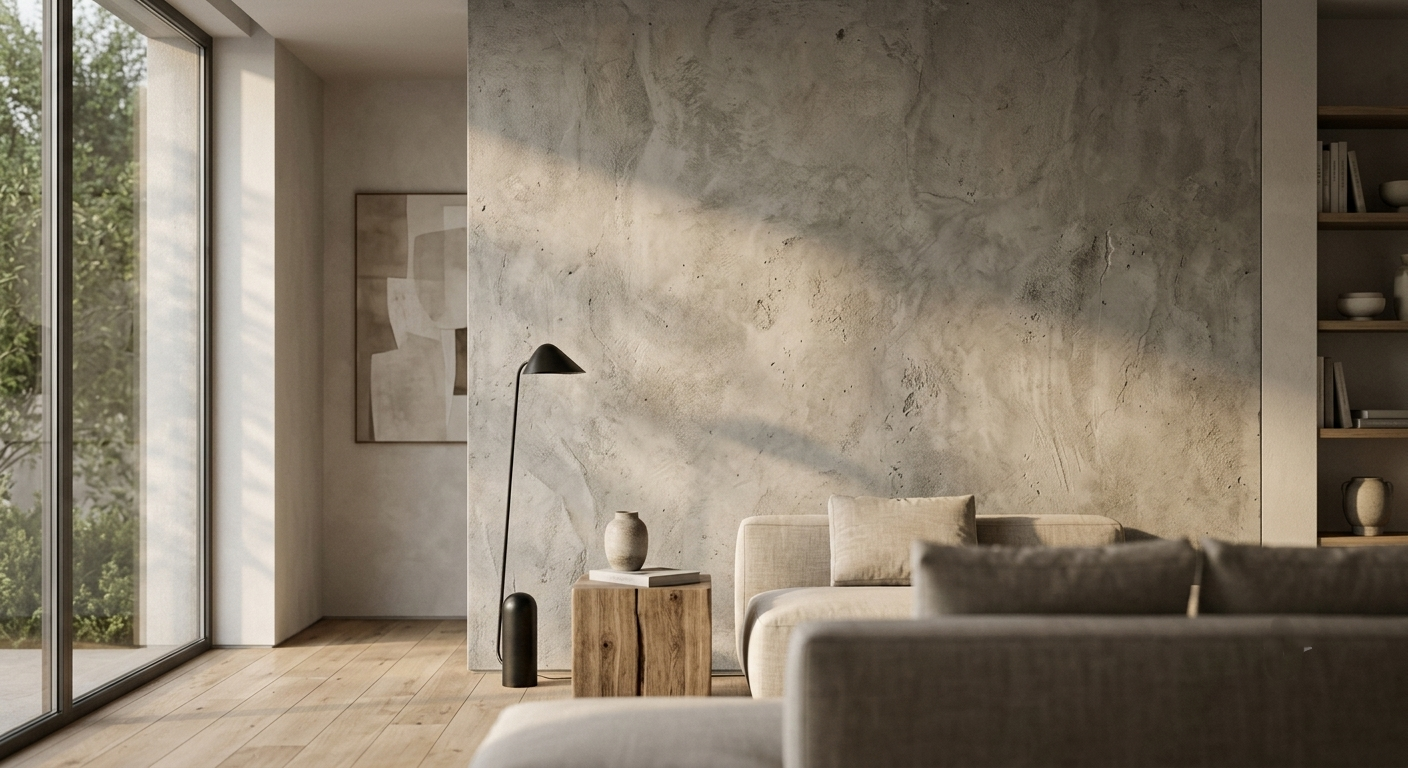
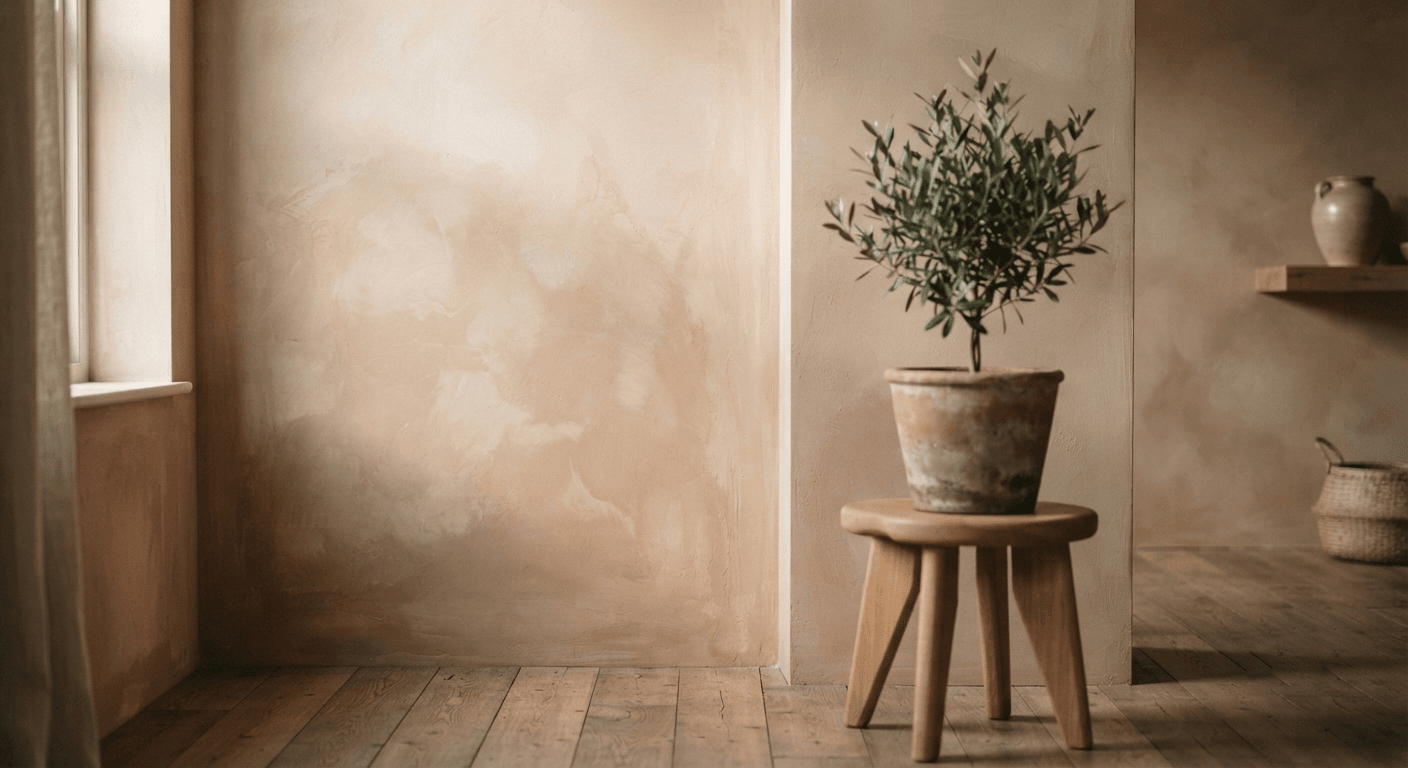
There is a particular kind of pride that comes with a limewash wall. Unlike paint, which sits flat and finished the day it dries, limewash keeps living. It breathes with the seasons, deepens in tone, and carries the faint, handmade variation that no roller ever could. That living quality is exactly why so many homeowners fall for it — and it’s also why caring for it looks a little different from caring for an ordinary painted wall.
India’s climate doesn’t make this easy. A single year here can swing from bone-dry heat to weeks of monsoon humidity to the dust and chill of winter. Each season asks something different of a lime surface. The good news: limewash is a natural, breathable material that was built for exactly this kind of variation — as long as you know what it needs, and when.
This guide walks through what to expect from your limewash or limesilk walls across the year, how to care for them properly, and how to tell the difference between natural patina and an actual problem.
Why Limewash Behaves Differently From Paint
Before getting into the seasonal detail, it helps to understand what’s actually happening on the wall.
Limewash is a mineral-based finish made primarily from slaked lime. As it cures, it carbonates — reacting slowly with carbon dioxide in the air and bonding to the wall as a breathable mineral layer rather than a sealed plastic film, the way most modern paints do. That breathability is the whole point. It lets moisture pass through the wall instead of trapping it, which is a significant advantage in a country where humidity swings as dramatically as India’s does.
The trade-off is that limewash is more responsive to its environment than paint. It reads light differently through the day, it can shift subtly in tone as humidity changes, and it needs a different care approach — gentler, more seasonal, more attentive. None of this is a flaw. It’s the same reason limewash walls in centuries-old buildings across the Mediterranean and North Africa still look alive today, while painted surfaces from the same era have long since cracked and peeled.
Summer: Managing Heat, Dust, and Rapid Drying
Summer in most of India means intense heat, dry air, and dust — three things that affect limewash in different ways.
What to watch for: Rapid temperature swings can cause the wall surface to dry unevenly if it’s freshly applied or recently touched up, which is why we generally avoid limewash application in peak summer heat unless the site is shaded or climate-controlled. On existing, fully cured walls, the main summer concern is simply dust accumulation, especially in homes near construction sites, arterial roads, or unpaved areas.
How to care for it:
- Dust gently with a soft, dry microfiber cloth or a soft-bristled brush. Avoid feather dusters, which can drag grit across the surface and cause fine scratching.
- If a wall looks dull rather than dirty, resist the urge to wash it immediately — direct sun exposure can make limewash appear chalkier than it is, and this often settles on its own once temperatures ease.
- Keep direct, prolonged AC or cooler airflow from blowing straight onto a wall for extended periods, as this can dry the surface unevenly over time.
Monsoon: The Season That Actually Suits Limewash Best
This is where limewash quietly outperforms conventional paint. Because the finish is vapour-permeable, it allows the wall behind it to release trapped moisture instead of blistering, bubbling, or peeling — a common complaint with painted walls once humidity climbs.
What to watch for: On exterior or semi-exposed walls, direct and prolonged rain exposure can cause gradual softening if the surface wasn’t sealed with an appropriate protective coat during application. This is why exterior limewash and limesilk applications are typically finished with a breathable protective sealer — ask your installer to confirm which protection level was used on your specific wall.
Interior limewash walls generally have very little to worry about during monsoon, aside from ambient humidity, which the material is designed to handle gracefully.
How to care for it:
- Check exterior walls after the first heavy spell of rain each year for any softening, streaking, or efflorescence (a pale, powdery mineral bloom). Light efflorescence is common on lime finishes and typically resolves with a soft dry brush once the wall dries out fully — it is not a sign of failure.
- Ensure gutters, sills, and drainage near exterior limewash walls are clear, so water isn’t sitting against the surface for extended periods.
- Ventilate interior rooms when possible during long humid stretches to help the wall’s natural moisture regulation do its job.
Winter: The Low-Maintenance Season
Winter is largely a quiet period for limewash care across most of India — cooler, drier air with less dust turbulence than summer and none of the humidity load of monsoon.
What to watch for: In northern regions with cold, dry winters, some homeowners notice a subtle deepening or shift in tone as ambient humidity drops. This is normal and part of the material’s character rather than a defect.
How to care for it:
- A light dusting once every few weeks is usually all that’s needed.
- If you’re planning any touch-ups or new limewash work, winter (outside of extreme cold regions) is often an excellent window, since drying conditions are stable and moderate.
The Golden Rules of Limewash Care, Year-Round
A few principles hold true no matter the season:
- Never scrub. Limewash is a soft mineral finish, not a hard plastic coating. Abrasive sponges, stiff brushes, or scouring pads will damage the surface. A soft cloth is always the right tool.
- Avoid harsh chemical cleaners. Standard household cleaners, especially anything acidic or ammonia-based, can react with the lime and cause discoloration. Water and a soft cloth handle almost everything; anything more should be discussed with your installer first.
- Let patina happen. Slight variation, gentle tonal shifts, and soft cloudiness in patches are not defects — they’re the material aging the way it’s meant to. This is the same quality that makes centuries-old limewashed buildings look richer with time rather than tired.
- Address moisture sources, not just symptoms. If a wall shows a recurring damp patch or discoloration in the same spot each monsoon, the underlying cause is usually a leak, poor drainage, or a gap in the exterior seal — not the limewash itself. Fixing the source resolves the finish.
- When in doubt, call in a professional touch-up rather than a DIY fix. Limewash blends new work into old far more forgivingly than paint does, but it still benefits from being handled by someone who understands the material.
When to Bring in the Experts
Most limewash and limesilk walls need very little beyond the light seasonal care outlined above. But a few situations are worth a professional eye rather than a guess:
- Visible cracking, flaking, or areas where the finish is lifting from the wall
- Persistent damp patches that return in the same location each year
- Significant color mismatch after a repair or touch-up
- Any exterior wall due for its periodic protective reseal
At Creton, care doesn’t end at handover. Every limewash and limesilk project we deliver comes with guidance on exactly how that specific wall — its exposure, its finish level, its location — should be maintained through the year. If something doesn’t look right, or you’re simply due for a seasonal check-in, our artisans are the same ones who can walk your space and tell you, at a glance, what’s patina and what needs attention.
Considering limewash or limesilk for your next project, or want a maintenance check on an existing Creton finish? Get in touch with our team.