HOTEL DESIGN
Hotel design plays a crucial role in shaping a guest’s experience, going far beyond visual appeal. A well-designed hotel creates an emotional connection, offering comfort, functionality, and a sense of place from the moment guests step inside. Today’s hotel interiors are expected to be both aesthetically pleasing and highly practical, balancing style with durability and ease of maintenance.
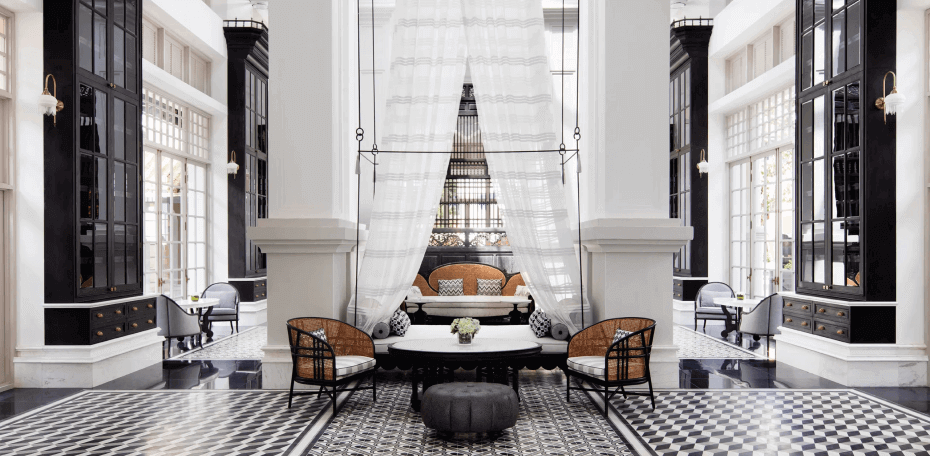
Successful hotel design begins with a clear understanding of the guest journey. The lobby sets the tone, often designed as a welcoming social space that blends elegance with warmth. Guest rooms prioritize comfort and privacy, using calming color palettes, smart layouts, and carefully selected materials that enhance relaxation. Public areas such as restaurants, lounges, and corridors are designed to flow seamlessly, encouraging movement while maintaining distinct identities.
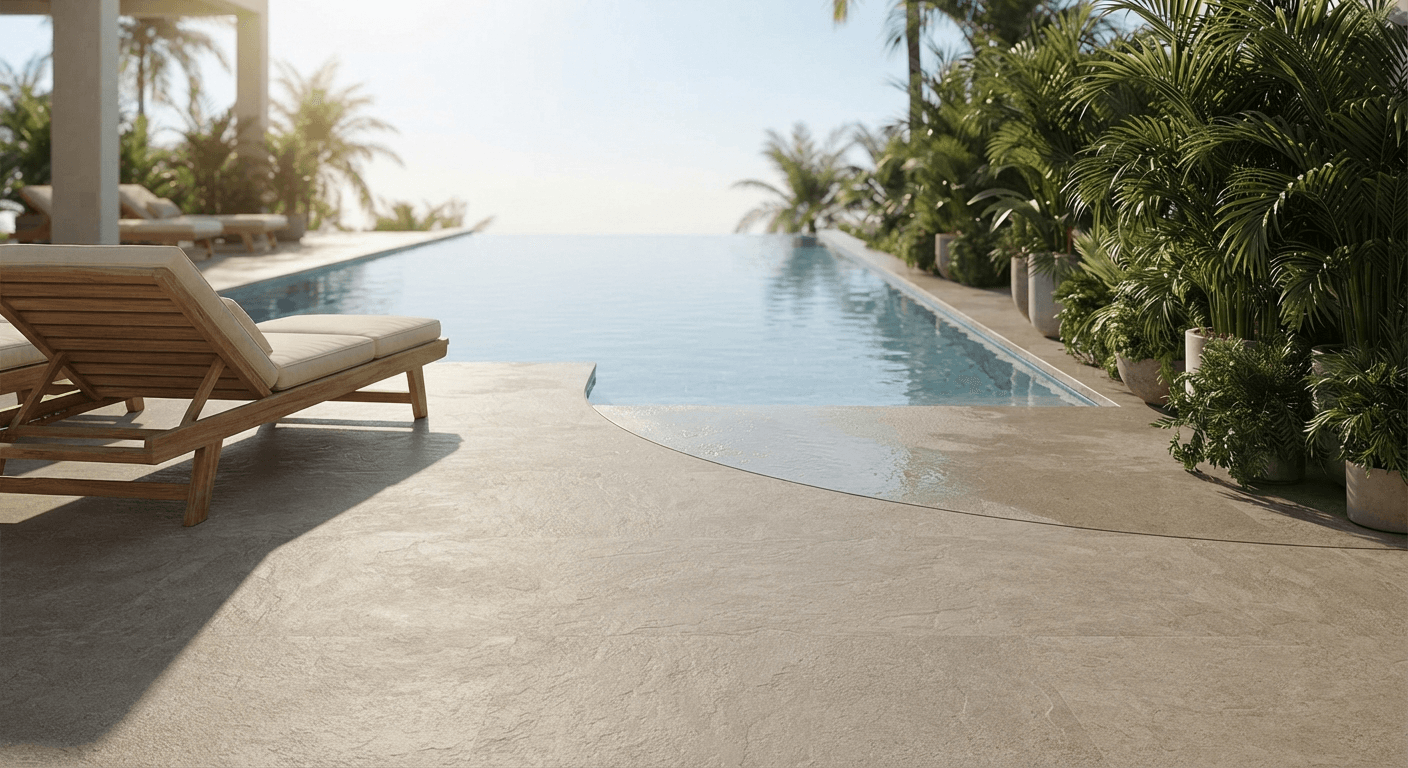
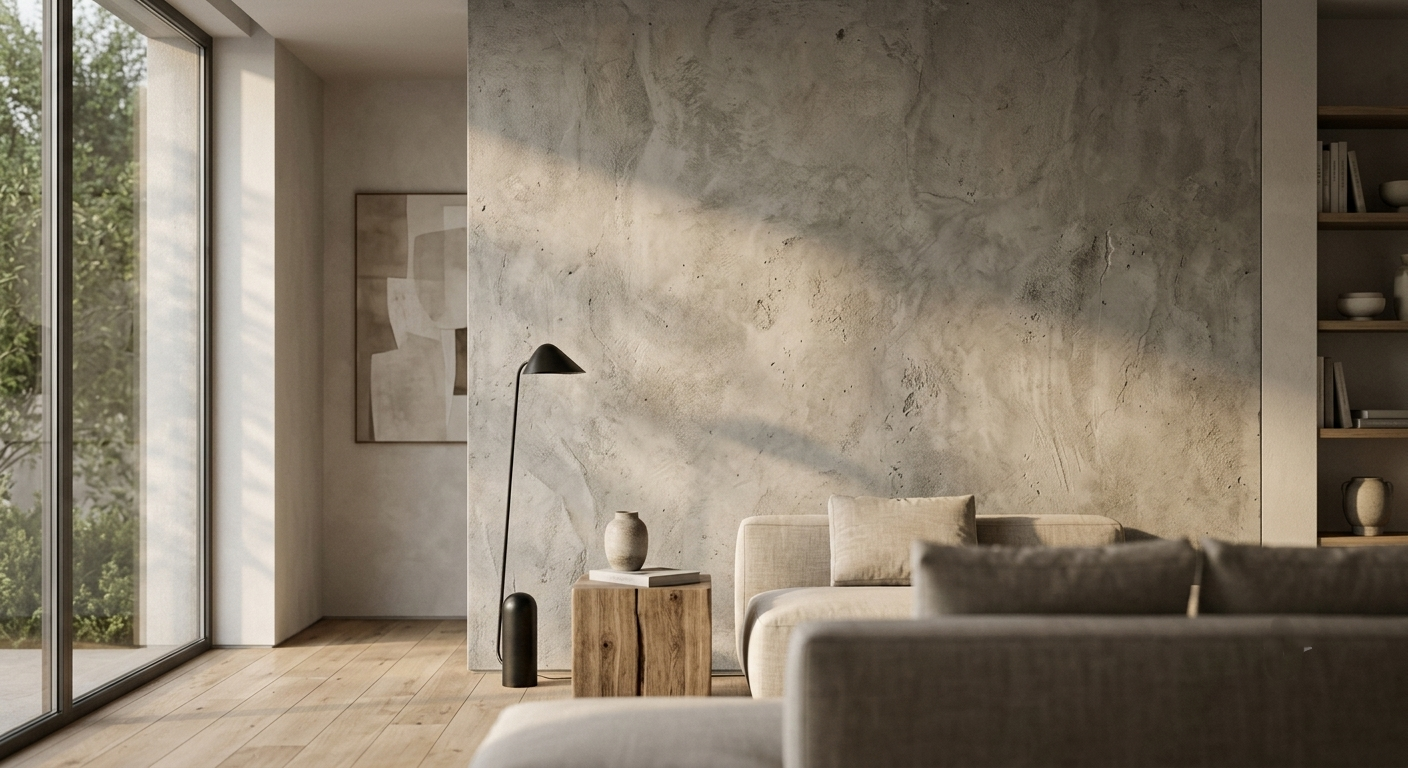
Material selection is another key aspect of hotel design. Natural textures, layered finishes, and high-quality surfaces add depth and character while ensuring longevity in high-traffic environments. Lighting is equally important, with a mix of ambient, accent, and task lighting used to create different moods throughout the day and night.
Modern hotel design also embraces sustainability and technology. Energy-efficient lighting, eco-friendly materials, and smart room controls not only reduce environmental impact but also improve guest comfort. When design, functionality, and sustainability come together, hotels become more than places to stay—they become destinations in themselves.
Ultimately, thoughtful hotel design enhances guest satisfaction, strengthens brand identity, and leaves a lasting impression, making it a vital element in the success of any hospitality project.